Grub and Chinch Bug Damage Sod Replacement in Toronto
Grubs and chinch bugs can kill turf outright, and once the insects are dealt with we tear out the dead sod, prepare the soil and lay Kentucky Bluegrass sod.
Or call (647) 243-6562, Monday to Saturday, 7 a.m. to 7 p.m.
- Old Turf Hauled Away
- Kentucky Bluegrass Sod
- City of Toronto Only
- Price the Same Business Day
How to Tell It Was Grubs or Chinch Bugs
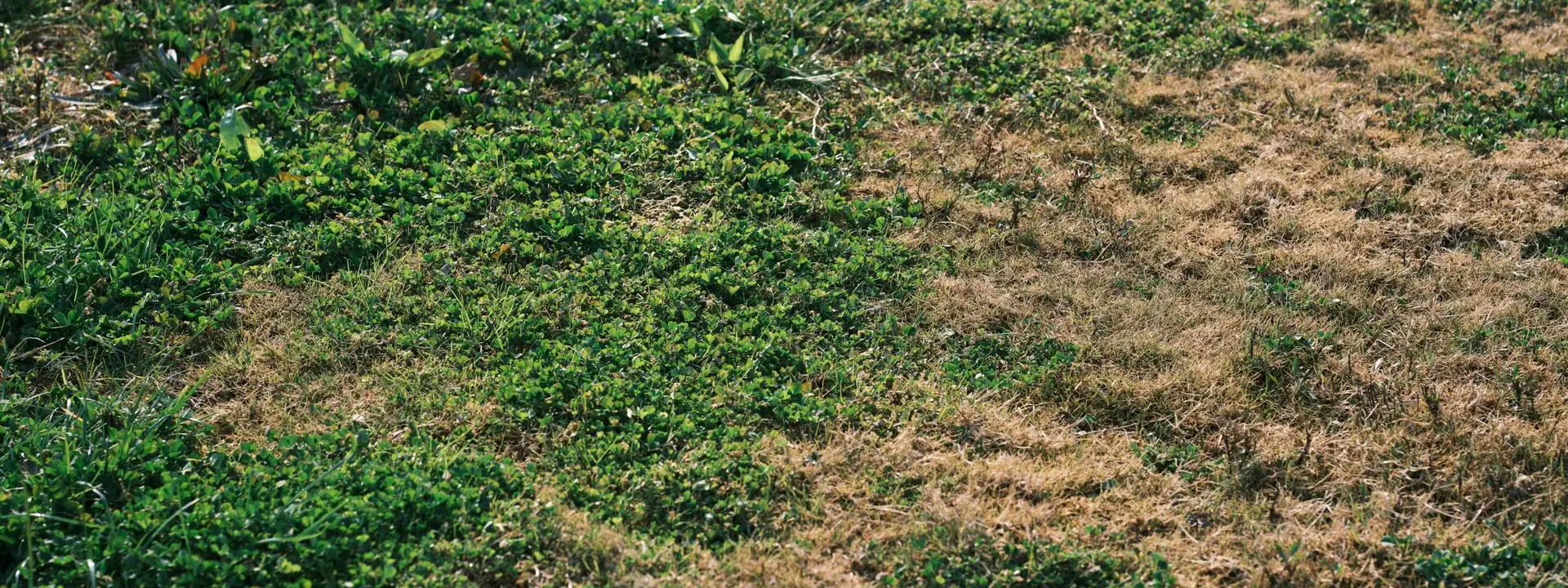
Both insects leave brown turf that passes for drought at first. The difference shows when you pull on the grass, look at where the damage started and see what was dug up overnight.
- Brown turf feels spongy, then peels back like a carpet with no roots holding it.
- Sunken brown patches spread through the sunniest, driest part of the lawn in July and August.
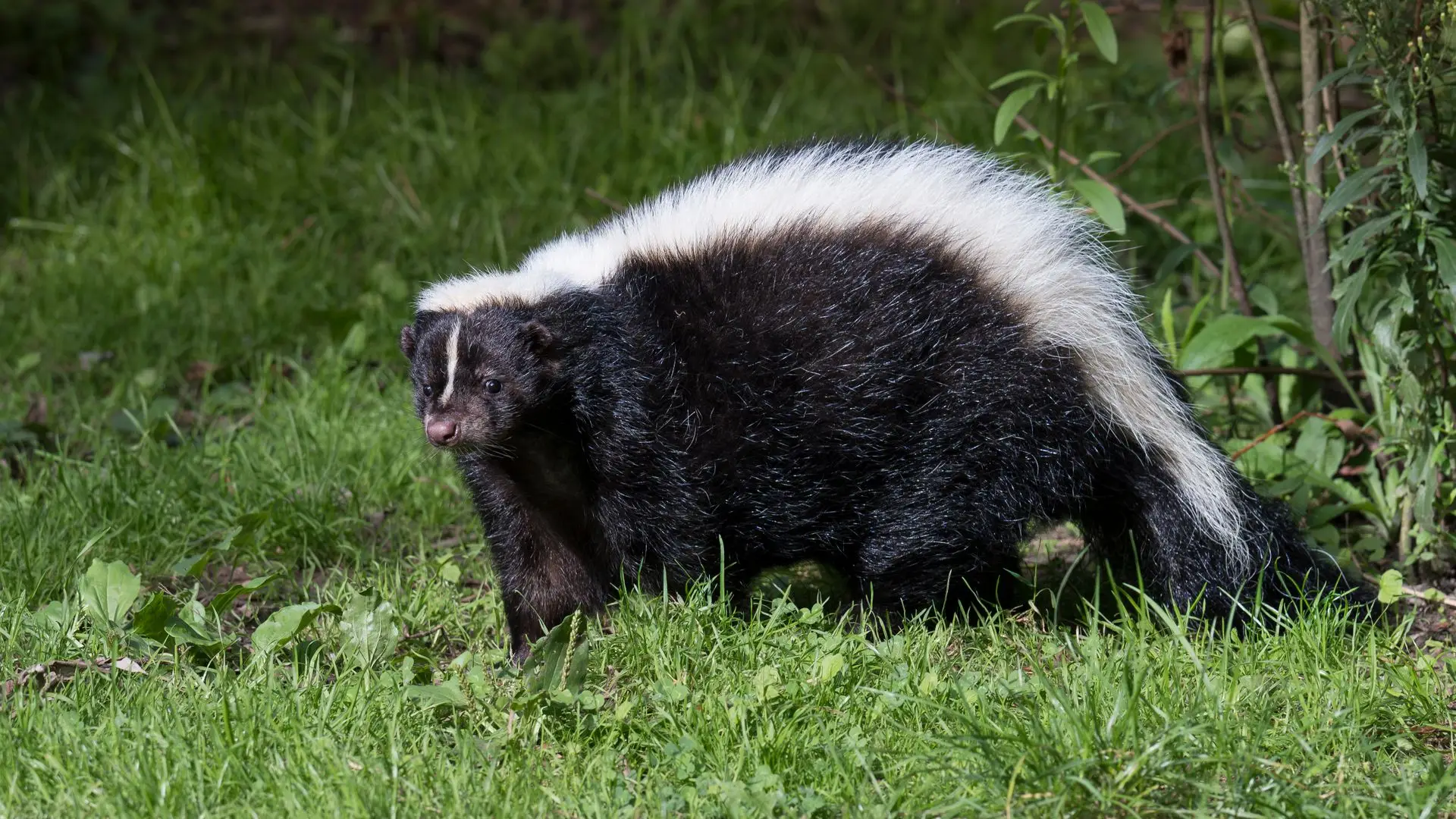
- Skunks and raccoons dig round holes and roll back pieces of sod overnight.
- Flocks of starlings or blackbirds keep feeding on the same stretch of lawn.
- The lawn stays brown two weeks after steady rain has returned.
What Has to Happen Before New Sod Goes Down
Before any sod is laid, the insects have to be dealt with, by you or by a lawn-care technician. Grubs eat grass roots and chinch bugs suck the sap from the crowns and stems, so sod laid over a live population faces the same damage as the lawn it replaced. We do not apply pesticides or treat an active grub or chinch bug infestation; we tear out the damaged turf, prepare the soil and lay fresh sod once the pest issue is addressed. Follow your licensed pest-control technician's timeline before you schedule new sod.
Ontario limits what may be used on a lawn. The province's cosmetic pesticides ban, set out in the Pesticides Act and Ontario Regulation 63/09, allows only ingredients on its allowable list for lawn use unless an exception applies. Confirm what applies to your property with the Government of Ontario or with the technician you hire. We give no treatment advice and name no product.
Recover or Replace After Insect Damage
Two things decide it: whether the crowns are alive, and whether the insects have been dealt with. The crown is the pale growing point at the base of each grass plant, at the soil line.
It May Come Back
- The turf is thin and off-colour but holds firm when you tug it.
- Crowns at the base are pale and firm, and some leaves are still green.
- Damage is light on a lawn that was healthy, which can carry a few grubs and survive.
It Needs Replacing
- The turf lifts off in sheets because the roots have been eaten.
- Patches stay brown two weeks after steady rain or deep watering.
- Skunks or raccoons have torn up more turf than is left lying flat.
When Insect Damage Shows in Southern Ontario
Three kinds of white grub feed on lawn roots in Ontario: the European chafer, the Japanese beetle and the June beetle. The Guelph Turfgrass Institute says chafer damage is most common in spring, in March and April, and again in autumn, from September to November. Ontario's agriculture ministry puts the worst of it in those two seasons because the grubs are growing fast and feeding near the surface. That is also when the digging starts. The City of Toronto notes that skunks and raccoons come onto lawns after rain, when grubs are near the surface, and roll up chunks of sod to reach them.
Chinch bugs work in summer. Health Canada says the yellow patches begin in June and spread, mostly in open, sunny areas, where they are easily mistaken for drought. The Guelph Turfgrass Institute puts the heaviest feeding in July and August, when the turf looks sunken, wilts and dies quickly in hot, dry weather. A lawn that was only dormant greens up once rain returns. Ontario's ministry says turf damaged by insects does not, so the real test comes with the first good rain of late summer.
What We Do Once the Insects Are Dealt With
You tell us what happened. Use the form to say what happened and how big the lawn is. When we reply, tell us whether the insects have been dealt with.
The dead turf comes out. All of the damaged sod is cut out with its thatch and hauled away off-site for disposal.
The soil is prepared. Holes left by digging animals are filled, the ground is regraded and fresh topsoil is spread and levelled.
Kentucky Bluegrass sod is laid. It is set tight, pressed into contact with the soil and finished flush with any turf that stays.
It is watered in. The first soaking is done on the spot, and care instructions are left with you.
Included and Not Included
Included
- Old turf cut out and hauled away
- Ground regraded
- Fresh topsoil
- Kentucky Bluegrass sod
- First watering and care instructions
Not Included
- Treating grubs, chinch bugs or any other pest
- Advice on which treatment, product or company to use against the insects
- Anything the written quote does not list
What Replacing Insect-Damaged Sod Costs
$2.25 – $4.50 per sq ft · $1,500 minimum job · before HST
| Lawn size | Position in the range | Price |
|---|---|---|
| A patch or sectionUp to 400 sq ft | The minimum job sets the price: $1,500 – $1,800 for the job | |
| A small yard400 to 900 sq ft | $2.75 – $4.50 | |
| A typical front and back900 to 2,000 sq ft | $2.40 – $4.00 | |
| A large lawnOver 2,000 sq ft | $2.25 – $3.50 |
Sod replacement after insect damage is priced like any other tear-out: $2.25 – $4.50 per sq ft, with a minimum job of $1,500. What moves it here is how far the damage ran. Grubs and chinch bugs can take a whole lawn, which lowers the price per square foot, while ground torn up by digging animals needs more levelling and soil. Exact scope and price are confirmed in the written quote. The cost guide has the bands by lawn size and a worked example for a lawn lost to grubs.
Where We Replace Insect-Damaged Sod
Insect damage turns up in every Toronto borough, on open, sunny lawns most of all. Three neighbourhood guides deal with it: West Hill, Port Union and Birch Cliff.
Neighbourhood Guides
Questions About Grub and Chinch Bug Damage
Do the grubs or chinch bugs have to be gone before you re-sod?
Yes. Grubs eat grass roots and chinch bugs feed on the crowns, so sod laid over a live population can be damaged the same way the old turf was. Dealing with the insects is for you or a lawn-care technician, not for us. Follow your licensed pest-control technician's timeline before you schedule new sod. Once that is behind you, send the lawn size through the price form.
How can I tell the lawn will not recover from insect damage?
Tug it, then wait for rain. Turf that lifts away with no roots is dead. Ontario's agriculture ministry says a lawn that was only dormant greens up within about two weeks of steady rain, and that turf damaged by insects does not recover when the rain returns. If the crowns at the base are brown and dry, that patch is gone. Call (647) 243-6562 with what you find.
Can new sod be damaged by grubs or chinch bugs again?
Yes. New sod is not immune. The Canadian Landscape Standard calls for nursery sod to be reasonably free of soil insects when it is delivered, but beetles lay eggs in lawn soil every June and July, and Health Canada lists bluegrass among the grasses chinch bugs attack. A healthy, well-rooted lawn tolerates more feeding than a stressed one. Keep an eye on it each summer. Questions go to (647) 243-6562.